Hydration changes how skin feels and looks
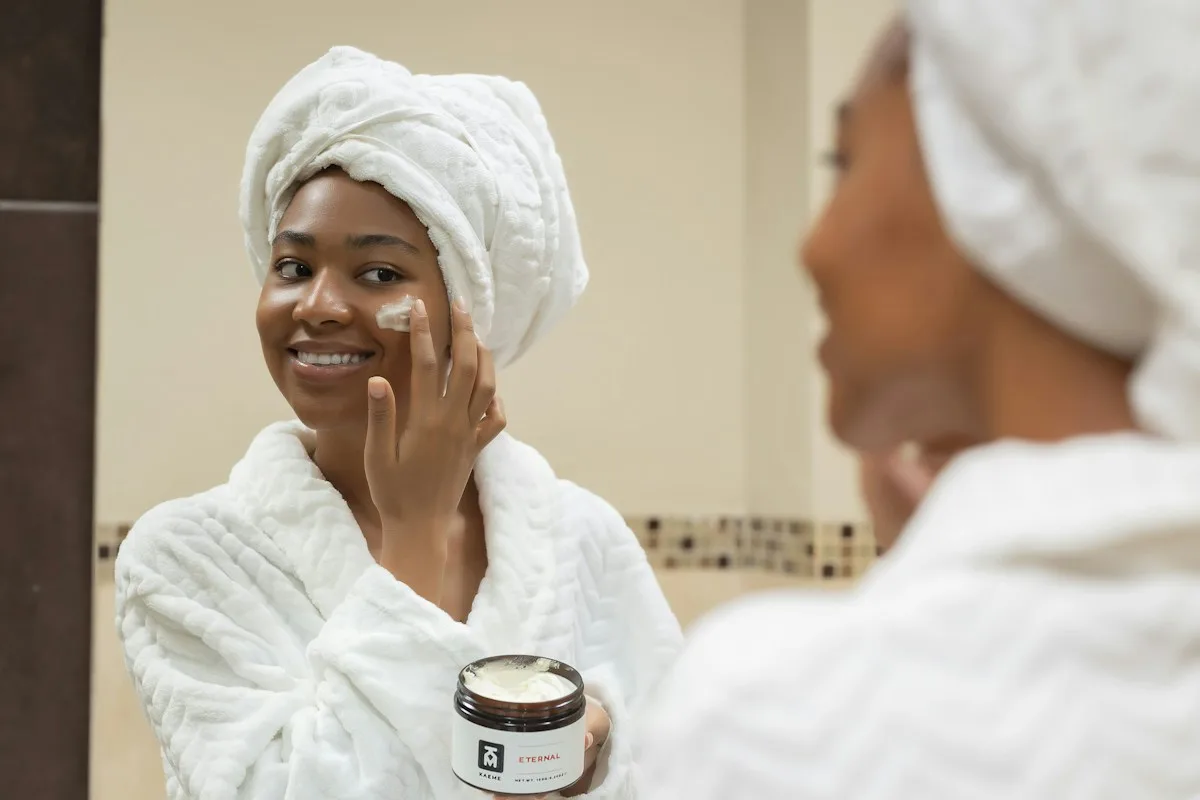
Dryness can make skin feel rough, tight or flaky. Moisturizers help keep water in the skin, which can improve its appearance and comfort. Applying moisturizer while skin is still damp helps retain that water. This is different from adding volume with an injectable, and a well-moisturized appearance is not evidence that a cream has changed deeper facial structures.
UV exposure affects skin over time
UVA and UVB both contribute to skin damage. UV exposure can cause premature skin aging and increases skin-cancer risk, even when a tan is seen as a healthy color. Broad-spectrum sunscreen covers both types of UV radiation. No sunscreen blocks all UV, so it should be combined with clothing and shade rather than used as permission to stay in strong sun longer.
References [3]
Even-looking tone needs a careful approach
Visible light from the sun can worsen hyperpigmentation, particularly in darker skin tones. The AAD recommends considering a tinted, broad-spectrum SPF 30 or higher sunscreen containing iron oxides for visible-light protection. If a patch or spot is changing, or the cause of discoloration is unclear, arrange a medical consultation before treating it as a purely cosmetic concern.
References [3]
Consistency is more useful than over-treatment
Gentle cleansing, moisturizer and appropriate sun protection are a practical foundation. More exfoliation or more active products can create irritation instead of a healthier appearance. Be cautious with claims of instant, permanent transformation: product effects and treatment risks differ, and a photograph cannot establish clinical benefit. Ask what outcome is supported by evidence and what improvement is realistic for your skin.
Sources & further reading
Based on public guidance from the organizations below, consulted on 10 November 2026. Source pages are in English. FDA information describes U.S. regulation; local approvals and product indications may differ.
- Skin care on a budget: a simple routine American Academy of Dermatology
- Dermal fillers: uses, limitations and risks FDA
- Sunscreen: protection, application and reapplication American Academy of Dermatology
General education only—not a diagnosis, prescription or personalized treatment plan. Suitability and outcomes vary. Discuss medical decisions with a qualified clinician; seek urgent medical care for emergency symptoms rather than waiting for an online reply.