Choose for your skin, not someone else’s routine
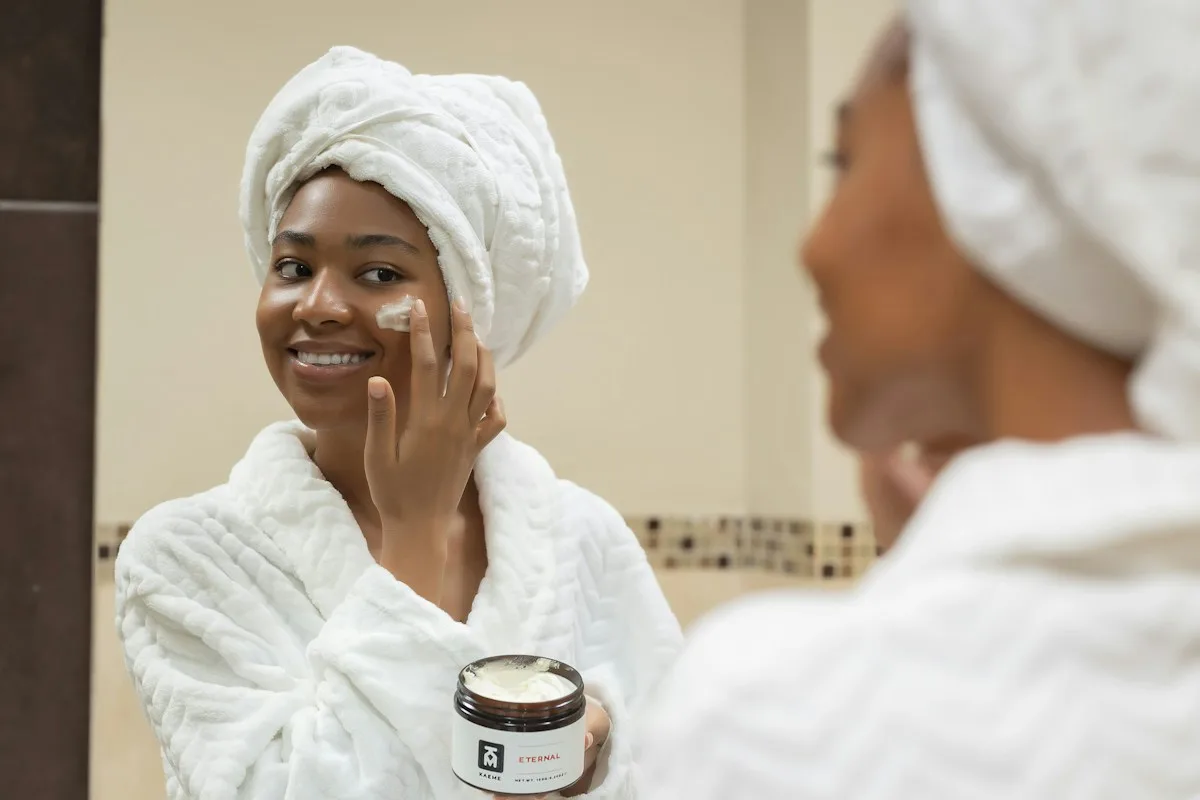
Dry skin may feel rough or flaky; oily skin may be shiny; sensitive skin may sting or burn after products. Some people have a combination of these features. Choose products that suit the way your skin behaves, and ask a dermatologist if you are unsure. An expensive product or a lengthy routine is not necessary for effective basic care.
References [1]
Cleanse gently and retain moisture
A gentle cleanser removes oil, dirt and product residue. Avoid repeated washing or aggressive scrubbing; the AAD advises limiting face washing to twice daily and after sweating. Apply moisturizer to damp skin to help retain water. Oily skin can still need moisturizer; a product labeled non-comedogenic may be useful if you are prone to clogged pores.
References [1]
Make sun protection a daily habit
When going outdoors, protect exposed skin with a broad-spectrum, water-resistant sunscreen of SPF 30 or higher, alongside shade and protective clothing. Reapply approximately every two hours outdoors and after swimming or sweating, following the label. Darker skin tones also need protection. A tinted sunscreen containing iron oxides can provide additional protection against visible light that can worsen dark spots.
References [2]
Do not mistake irritation for progress
Using many products can irritate skin and cause contact dermatitis. Burning, persistent redness or itching is a reason to simplify and seek advice, not to keep adding exfoliants. Persistent acne, recurring rashes or changing skin lesions deserve a medical consultation rather than repeated product purchases. A basic routine supports skin health but does not diagnose or replace treatment for a skin disease.
References [1]
Sources & further reading
Based on public guidance from the organizations below, consulted on 10 November 2026. Source pages are in English. FDA information describes U.S. regulation; local approvals and product indications may differ.
- Skin care on a budget: a simple routine American Academy of Dermatology
- Sunscreen: protection, application and reapplication American Academy of Dermatology
General education only—not a diagnosis, prescription or personalized treatment plan. Suitability and outcomes vary. Discuss medical decisions with a qualified clinician; seek urgent medical care for emergency symptoms rather than waiting for an online reply.